Europe’s vehicle trade reaches a milestone: Zero-emission vehicles accounted for 23 percent of all new passenger car registrations in the EU in the first nine months of 2026, up from 16 percent in the same period last year.
The B2B vehicle market is gathering momentum: VW is launching the ID. ERA 5X in China at an astonishingly low price, the EU is easing the emissions trading burden on industry — and Worldtrader24 has recorded 12,771 inventory updates in 24 hours.
The European Court of Justice has dismissed all seven of Poland’s challenges to the EU’s “Fit for 55” climate package. For the B2B vehicle market, the legal position is clear: CO2 limits remain binding—and low-CO2 stock vehicles are becoming a competitive factor for B2B partners in
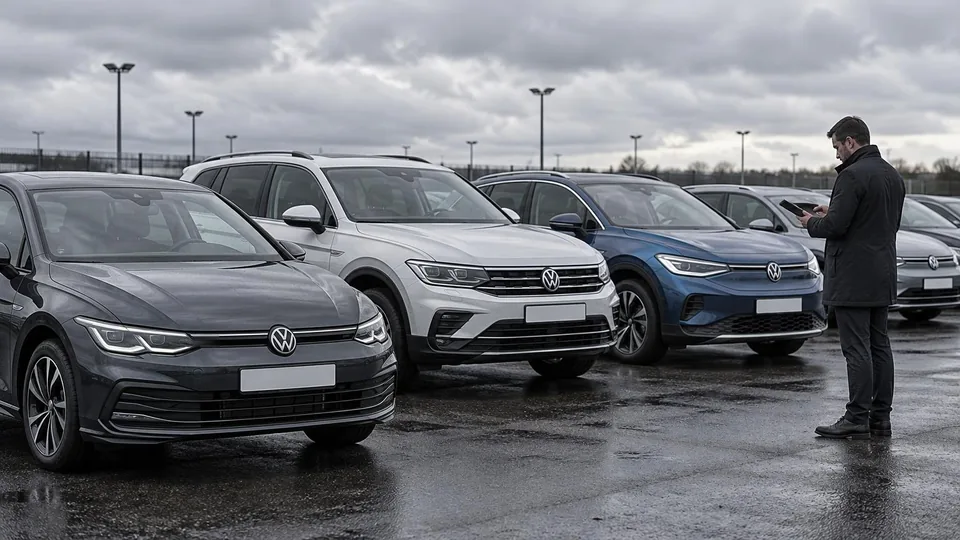
The B2B vehicle market has a clear purchasing checklist: SUVs and electric cars dominate the KBA figures for October 2026. Worldtrader24 supplies precisely these in-demand models – EU-wide delivery, competitive pricing in each listing.
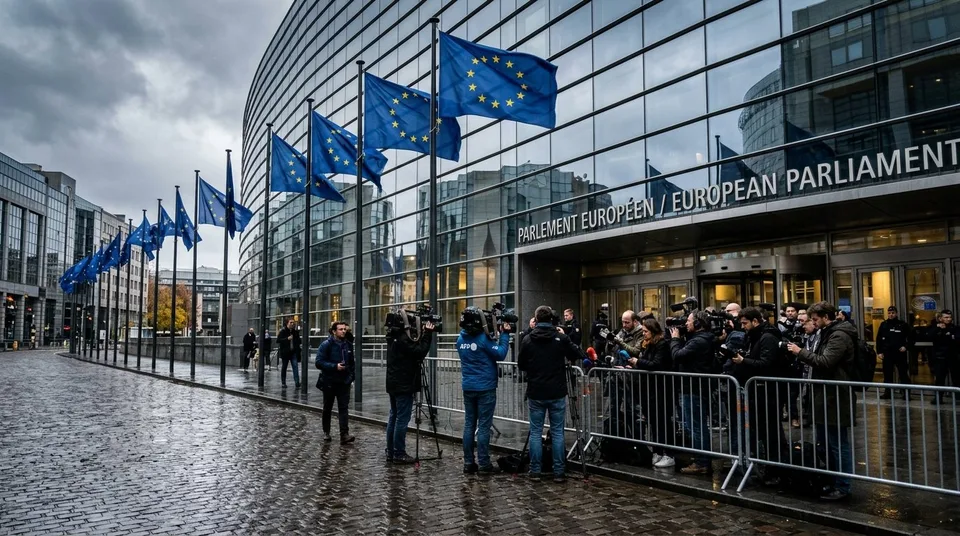
The European Parliament’s environment committee votes 48 to 30 to ease CO2 rules from 2035. Meanwhile, BMW cuts its margin forecast to near zero. What this means for B2B partners, vehicle ranges and sourcing in the European B2B vehicle market.
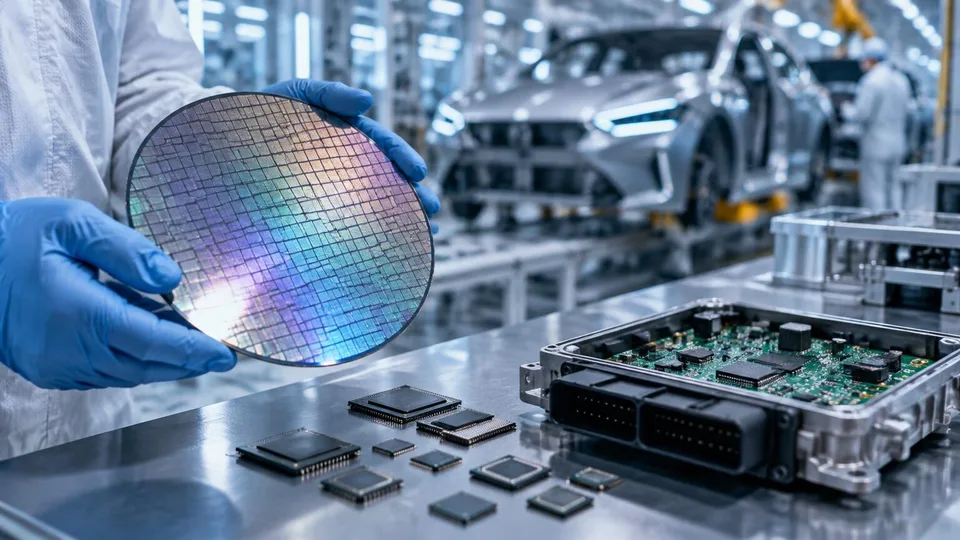
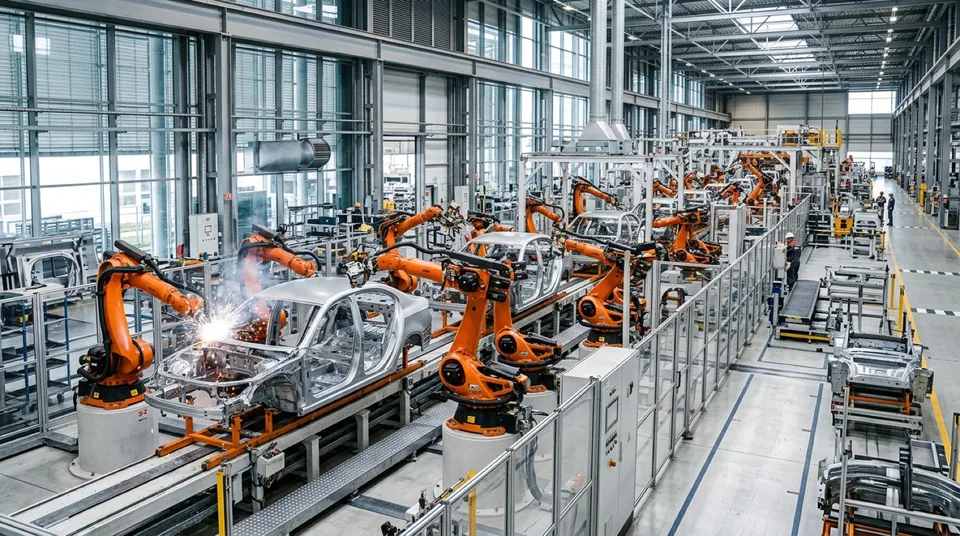
Bosch will establish a standalone Semiconductors business division on 1 January 2028, targeting around five billion euros in chip revenue by 2030. What the restructuring means for supply chains, electric cars and Europe's B2B vehicle market.
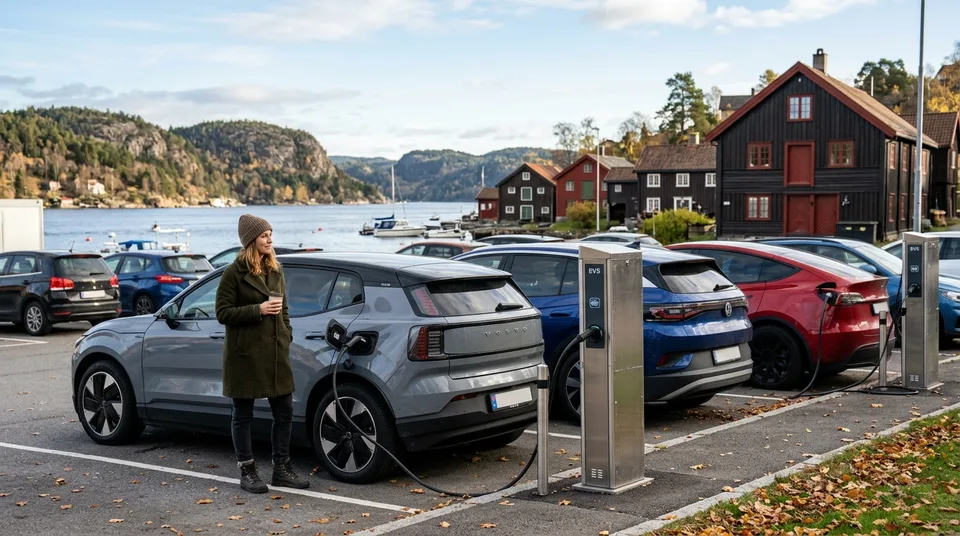
Norway registered 15,725 new passenger cars in October – up 41.2% year on year and more than in any October for over 30 years. Electric cars accounted for 98.8%, while Chinese brands reached a record share of 22.5%. Signals for Europe's B2B vehicle market.
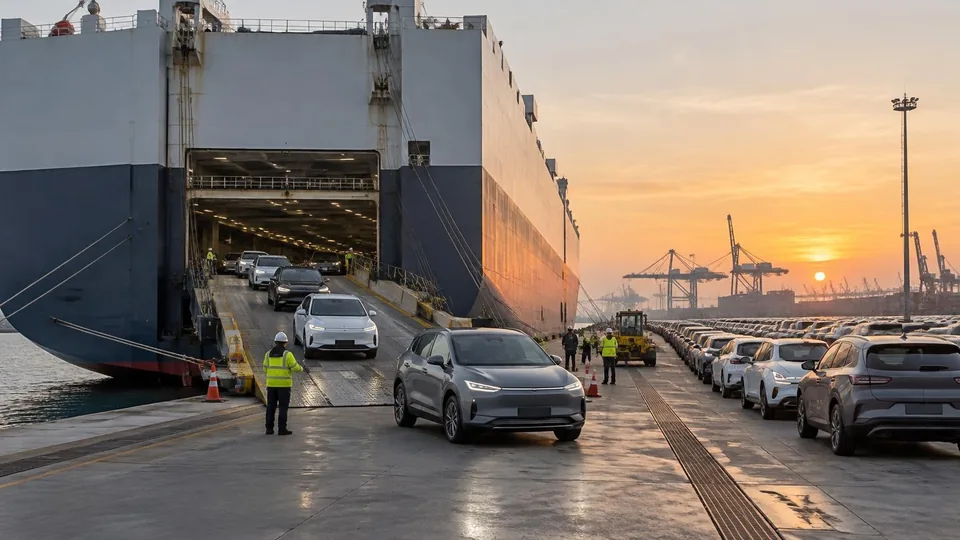
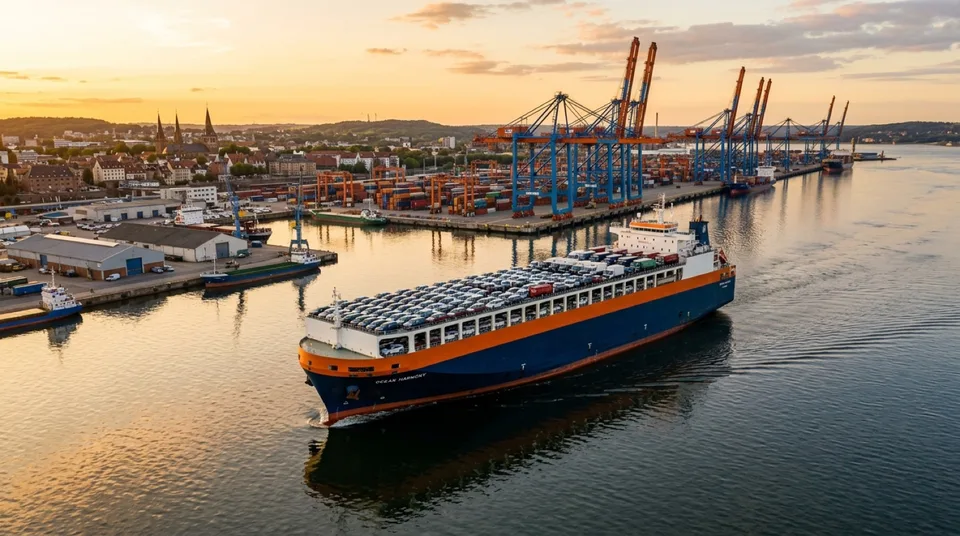
As part of the trade dispute, China has agreed to curb its hybrid and plug-in hybrid exports to the EU — by more than half, according to EU Trade Commissioner Šefčovič. For the B2B vehicle market, this shifts the competitive landscape in the largest powertrain segment.
Audi earned just €95 million after tax in the third quarter — 87 percent less than a year earlier. The manufacturer cites the market slump in China, intensifying competition and pressure from Chinese brands exporting to Europe. What this means for the B2B vehicle market.
Volkswagen reports a quarterly loss of €5.82 billion, driven by €7.8 billion in special items — including a €6.4 billion Porsche write-down — and a 38.5% slump in China sales.
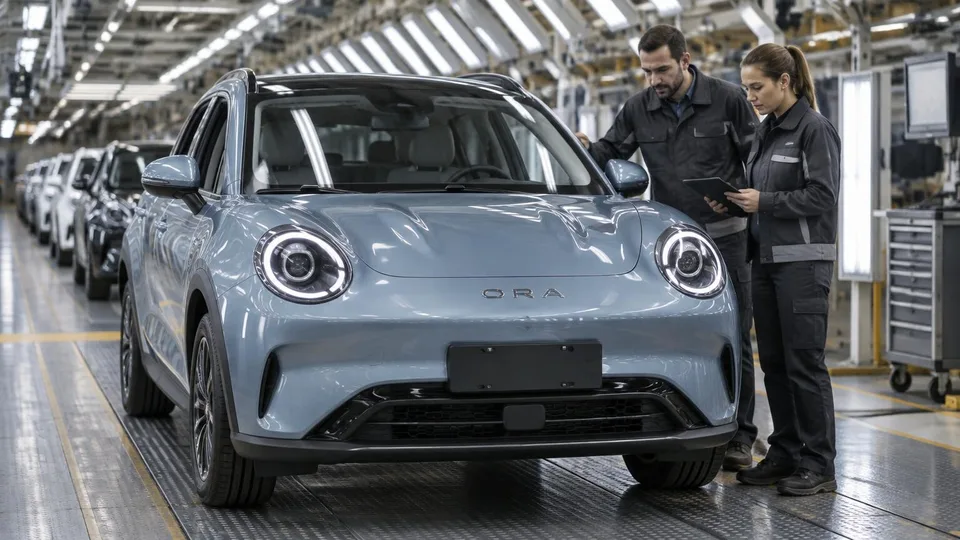
Great Wall Motor is making a second attempt at European production: from Q1 2027, the electric Ora 5 will roll off the line near Lovech in Bulgaria — initially assembled from kits, with plans for up to 50,000 vehicles a year. For EU new car B2B partners, this means registration and logistics routes closer to the EU market for Chinese models.
ACEA figures for January to September 2026: 1,931,465 battery-electric cars (22.7%) versus 1,802,078 petrol cars (21.2%) — new EV registrations exceed petrol registrations in the EU for the first time. Germany: EVs up 58.1%, petrol cars down 22.7%. Overall market up 5.7%.
Gas imports from Russia have fallen by three quarters, but dependence on oil and uranium remains. For the B2B car market, energy conditions across EU countries mean different cost trajectories — with consequences for margins and residual values.
Chancellor Merz is travelling to Singapore, Japan and South Korea to pursue partnerships beyond China. Meanwhile, the CO2 debate continues in Brussels. For the B2B vehicle market, both signals mean securing sourcing routes with backup options.
Audi CEO Gernot Döllner is investing around four billion dollars in the brand’s first US plant in Georgia, creating 4,500 jobs. Meanwhile, an economic hardship clause has been activated in Germany, with media reports putting several thousand jobs at risk. For B2B partners, suppliers and industrial location policy, this signals a structural shift.
The European Parliament’s industry and transport committees have voted to ease CO2 rules in the automotive package. For the B2B vehicle market, this signals the direction for all 2027 calculations.
Transport for London launches consultation: new ride-hailing licences could be restricted to fully electric vehicles from 2028. Fleet orders are shifting towards BEVs.
China is putting pressure on European industry through subsidies — tariffs alone are not enough, according to the analysis. Xpeng hands over the first L03 in Paris. The vehicle market needs structural responses.
Overnight agreement in the European Parliament: a 95 rather than 100 per cent CO2 reduction, an EU steel bonus and a future for hybrids. New vehicle wholesale gains planning certainty — the committee votes on Thursday.
Violent protests in France, demonstrations across several European countries and stock market jitters: Europe's B2B car market faces a political shock risk that registration figures cannot capture.
BEVs account for 21.7% of the EU market through August, Germany and France lead the way, and Chinese brands are advancing: Europe’s car market is shifting — a data overview for B2B partners and importers.
 AI-generated image